
Blog
PRP Hair Treatment Success Rate & Side Effects: Honest Answers

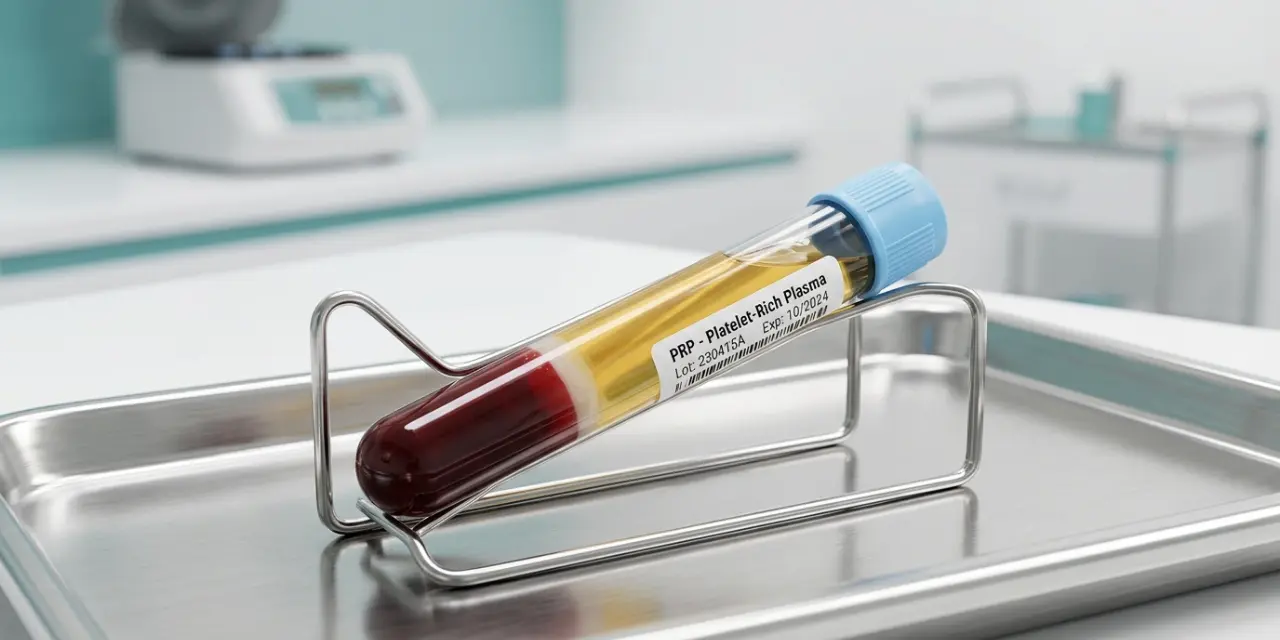
PRP is one of the most popular non-surgical hair loss treatments in Pakistan. But before investing in a course, it is fair to ask: how well does it actually work, who responds best, and what are the side effects?
Here is an honest, evidence-based guide.
What is PRP hair treatment?
PRP hair treatment injects platelet-rich plasma from your own blood into the scalp. The growth factors are thought to prolong the hair growth phase, strengthen weak follicles and reduce shedding. It is most often used for androgenetic alopecia (male and female pattern hair loss) and diffuse thinning.
PRP hair treatment success rate
Clinical studies on PRP for pattern hair loss generally report improvements in hair density and thickness for a majority of patients, often in the range of around 60–80% showing some benefit. Results vary because of differences in preparation methods, number of sessions and patient selection. In practice:
- Best responders – early to moderate thinning, where follicles are still active.
- Moderate responders – longer-standing thinning, usually needing combination treatment.
- Poor responders – completely bald areas, where follicles are no longer present (a transplant may suit better).
PRP is not a cure; it slows loss and improves existing hair. Maintenance is needed to keep results.
How many sessions are needed?
A typical plan is three to four sessions, four weeks apart, then maintenance every four to six months. Early changes such as reduced shedding appear after two to three months, with visible thickening by six months. Read more in how many PRP sessions for hair growth.
Factors that improve success
- Starting treatment early
- Combining PRP with prescribed medicines such as minoxidil
- Treating underlying causes like low iron, vitamin D or thyroid issues
- Not smoking and managing stress
- Completing the full course and maintenance
PRP hair treatment side effects
Because PRP uses your own blood, it is very safe. Possible side effects include:
- Scalp tenderness or a mild headache for a day
- Pinpoint bleeding or small bruises at injection sites
- Temporary swelling, occasionally spreading to the forehead
- Very rarely, infection
PRP is not suitable for people with blood or platelet disorders, active scalp infection or certain cancers, or those taking blood thinners.
PRP vs exosomes for hair
Exosome therapy is a newer regenerative option. Compare them in our guide to exosome therapy for hair loss in Pakistan.
What causes hair loss?
- Androgenetic alopecia – genetic, hormone-driven thinning, the most common cause in men and women.
- Telogen effluvium – sudden shedding after illness, stress, childbirth or crash dieting.
- Nutritional deficiencies – low iron, vitamin D or protein.
- Thyroid and hormonal conditions – including PCOS.
- Alopecia areata – an autoimmune condition causing patches.
Identifying the cause matters, because PRP works best for pattern thinning and some types of shedding.
What a realistic result looks like
Most patients notice less hair on the pillow and in the shower first, followed by thicker, stronger strands and better scalp coverage. Photos taken in the same light at each visit are the best way to track progress, since daily changes are hard to see in the mirror.
PRP myths
- “PRP works for everyone.” – Some people respond better than others.
- “Results are permanent.” – Genetic thinning continues without maintenance.
- “PRP replaces medicine.” – It works best alongside medical treatment.
PRP vs hair transplant
PRP and hair transplants solve different problems. A transplant moves healthy follicles to bald areas, while PRP strengthens follicles that are thinning but still present. Many transplant surgeons recommend PRP before and after surgery to support existing hair and healing. If you have early thinning, PRP may delay or reduce the need for a transplant; if you have extensive baldness, a transplant may be the more realistic option.
Start your plan
Book an assessment at our PRP hair treatment in Lahore clinic or read about PRP treatment in general.
Key takeaways
- PRP works best for early to moderate thinning.
- Expect reduced shedding first, then thicker hair over months.
- Side effects are mild and short-lived.
- Maintenance sessions keep results.
Frequently asked questions
Does PRP really regrow hair?
It mainly strengthens and thickens existing hair and reduces shedding.
What is the success rate of PRP?
Many studies report benefit in a majority of patients with early to moderate thinning.
How long do PRP results last?
With maintenance every 4–6 months, results can be sustained.
Is PRP for hair painful?
The scalp is sensitive, but numbing keeps it manageable.
Can women have PRP for hair loss?
Yes, it is commonly used for female pattern thinning.
Who is not suitable for PRP?
People with blood disorders, scalp infection or on blood thinners.
Book a consultation at London Aesthetics UK
Every treatment at London Aesthetics UK starts with a consultation so we can recommend what is genuinely right for your skin. Visit us at 18 CCA Street 7, DD Block, DHA Phase 4, Lahore or Jinnah Boulevard, Sector E, DHA Phase II, Islamabad, call +92 328 8886444, or explore all of our aesthetic treatments.
This article is for general information and does not replace a personal medical consultation. Results vary between individuals.
One thought on “PRP Hair Treatment Success Rate & Side Effects: Honest Answers”